Sep 2022
Building a Smart Learning App, Before AI was a Thing
When the world went remote in 2020, my college friends and I built Byte Avenue. It was a structured, personalized learning app for programmers. This case study walks through how we identified key gaps in existing platforms, translated student pain points into product principles, and designed an experience focused on progression and hands-on learning.
Summary
The problem:
We interviewed engineering students to see how they responded to the new ways of learning in the remote world. Out of all the problems that the students surfaced, these were the ones that we believed to be the most important to solve:
“I always get stuck at the same problems”
“I feel confused about what to learn”
“I don't know how much to learn. What's enough?”
What we built:
We consulted professors from top universities and narrowed down on four principles that our app must be built on:
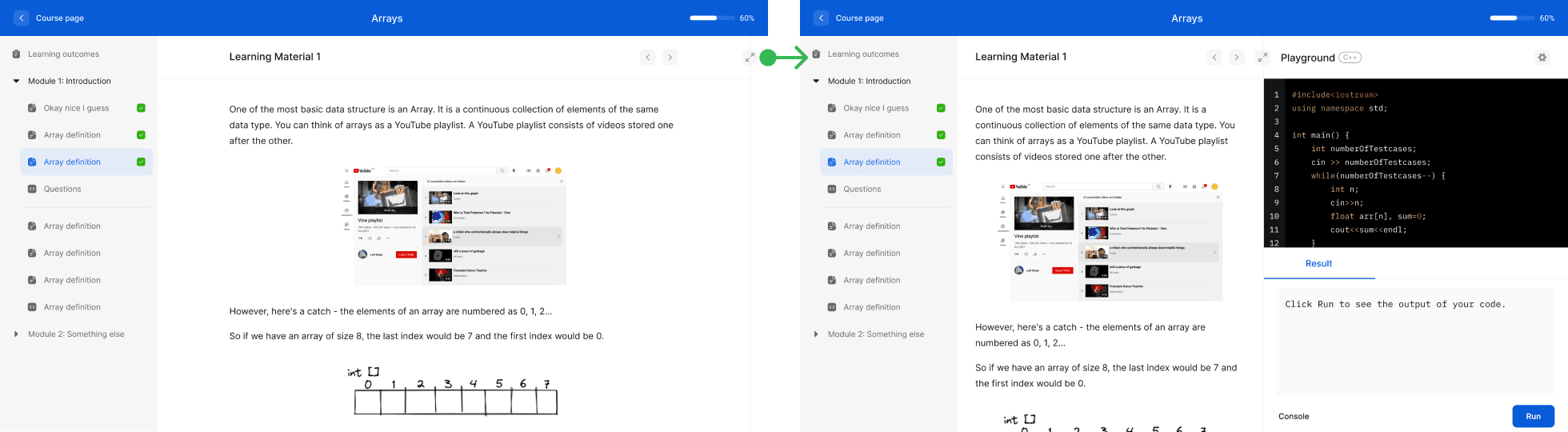
A learner should have the opportunity to learn by doing.
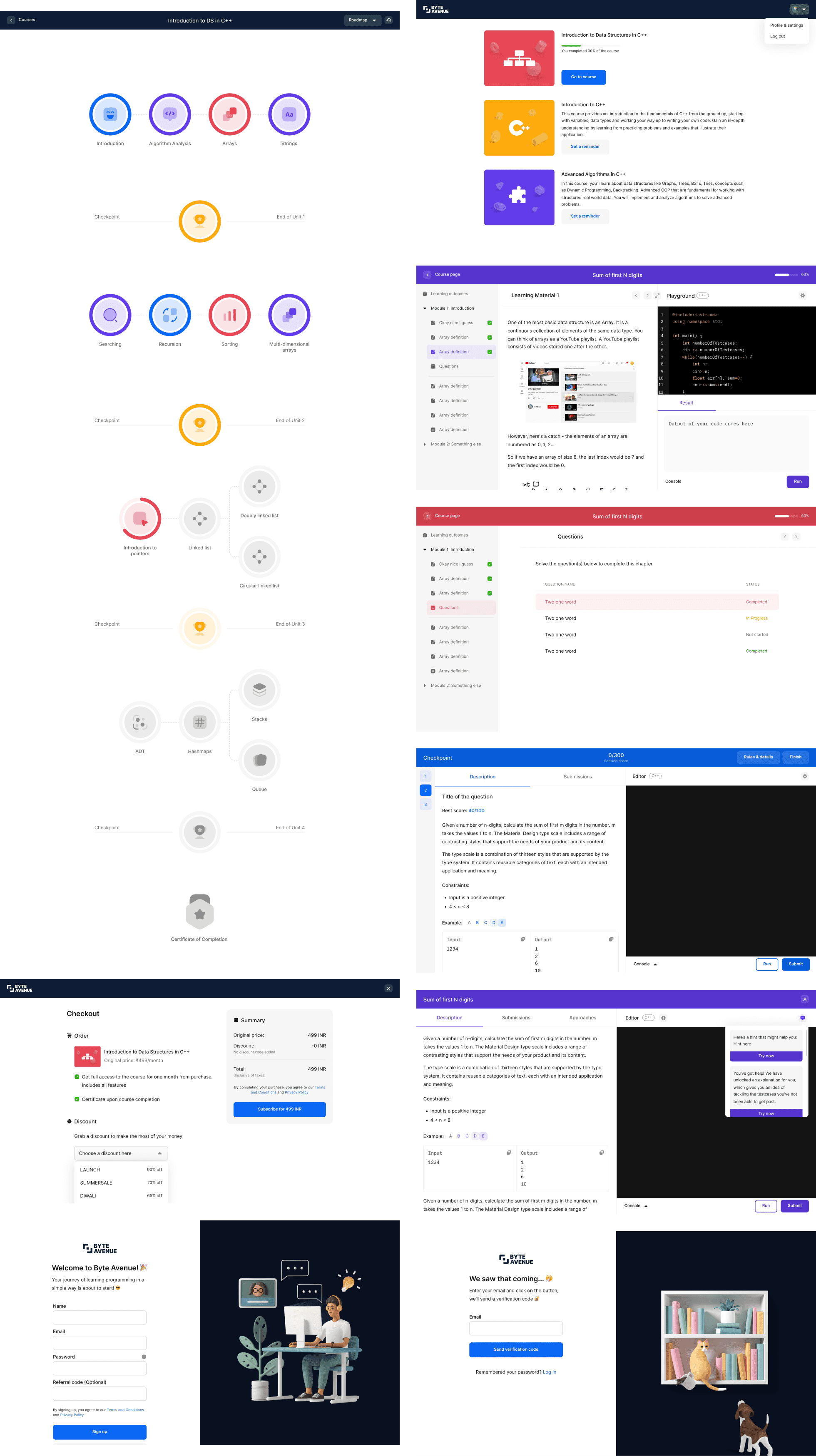
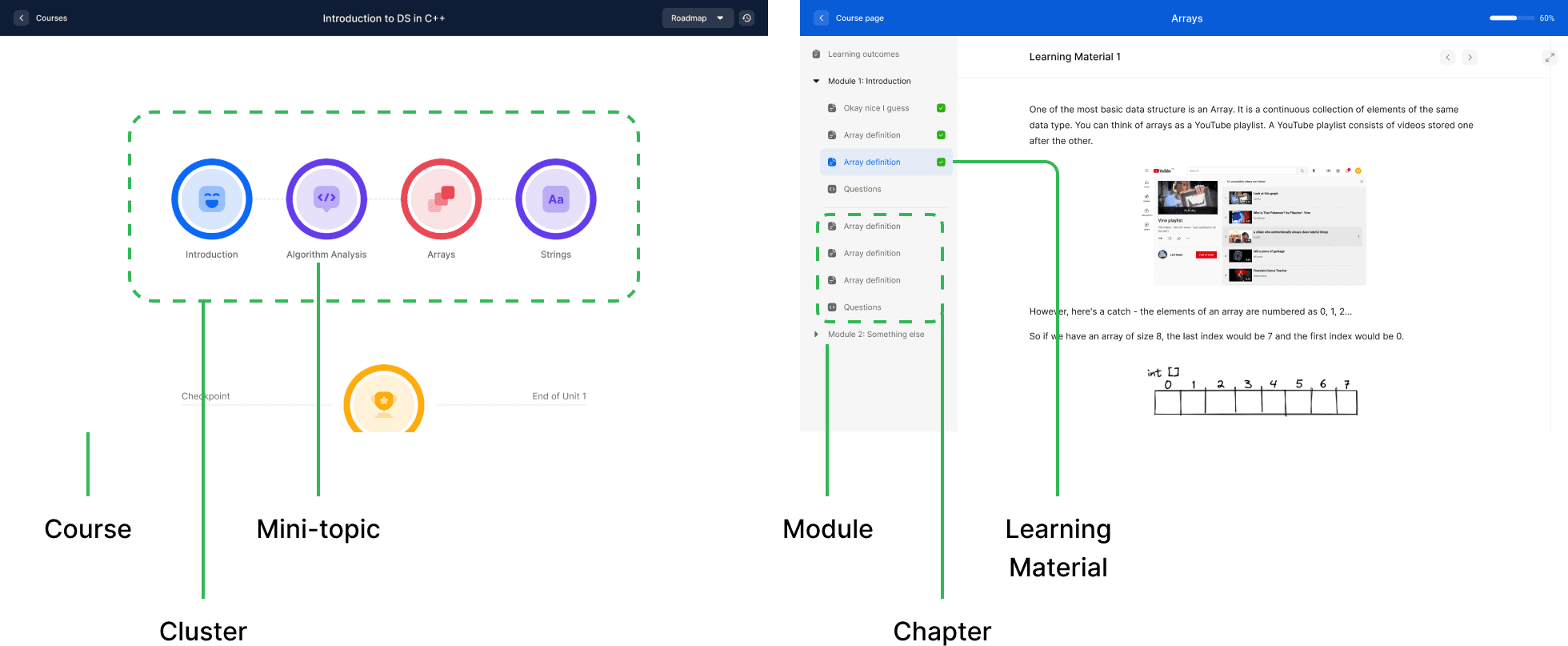
Educational content must be broken down into the smallest consumable bits to retain the knowledge more easily.
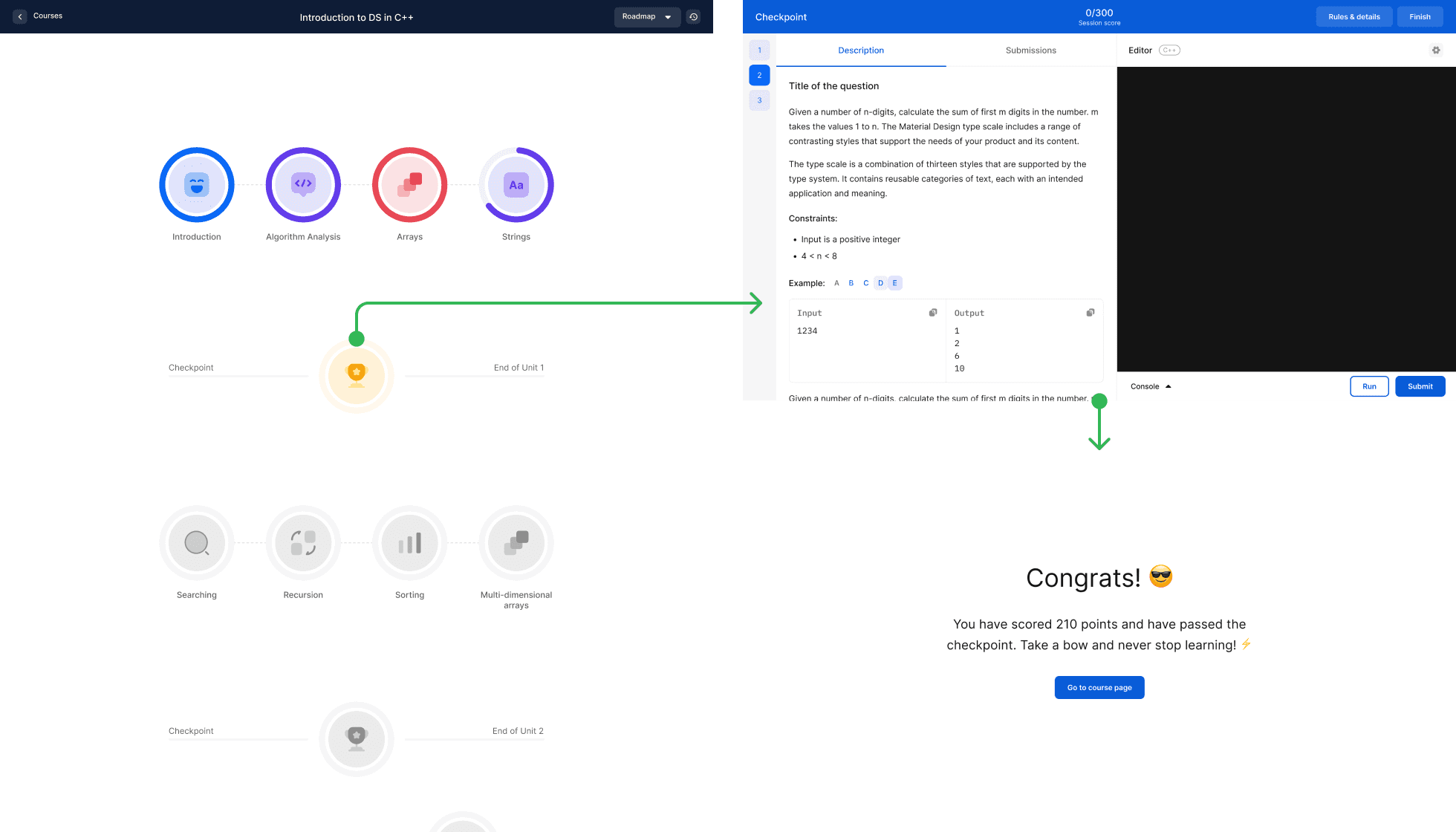
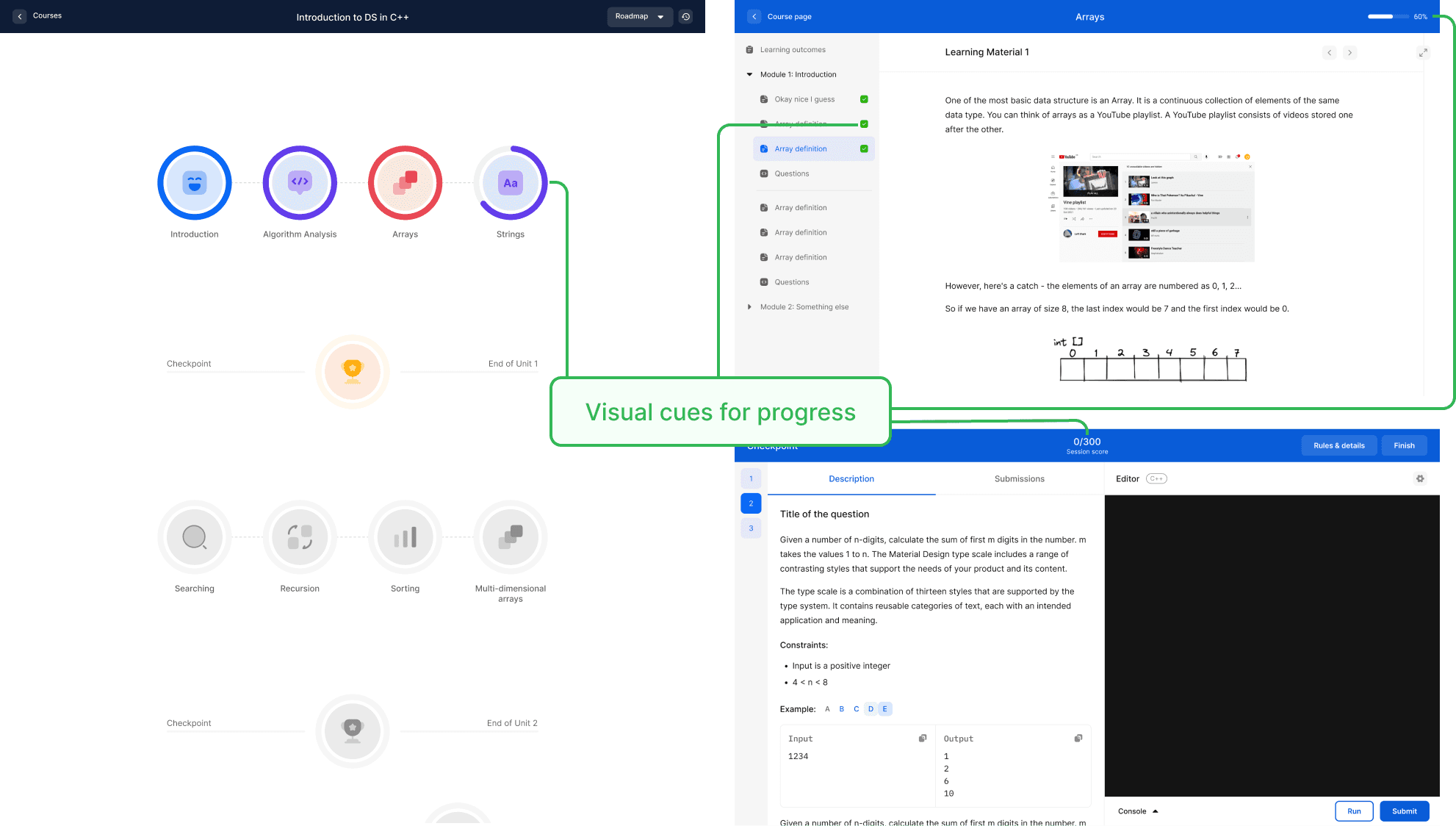
A learner, at all stages of the journey, must be aware of their progress and have an idea about what is ahead of them.
A learning journey must be broken down into smaller portions and upon completing each one, the learner must experience a sense of accomplishment. It can either be in the form of a milestone or a reward.
The outcome:
We kept testing each iteration of the product with small focused groups and this is what we observed:
Students progressed faster through a course than they previously did on other learning platforms.
Students solved problems with fewer hints than they would've on other practise platforms.
Screens
Overview
Bite Sized Content for Frequent Milestones
Progress Transparency
Course Structure
Learn + Play
Extras